In August 2026, the Bureau of Indian Standards confirmed that IS 1, the specification that governs the manufacturing of the Indian national flag, is being revised for the first time since 1968. Two closely related standards, IS 300 for silk khadi flags and IS 400 for wool khadi flags, are being updated alongside it.
This is the fourth major revision to the national flag standard since it was first notified, after earlier updates in 1951, 1964 and 1968. For a document that's stayed largely untouched for nearly six decades, that makes this a genuinely significant moment for anyone who manufactures, certifies or buys official Indian national flags.
What IS 1 currently covers
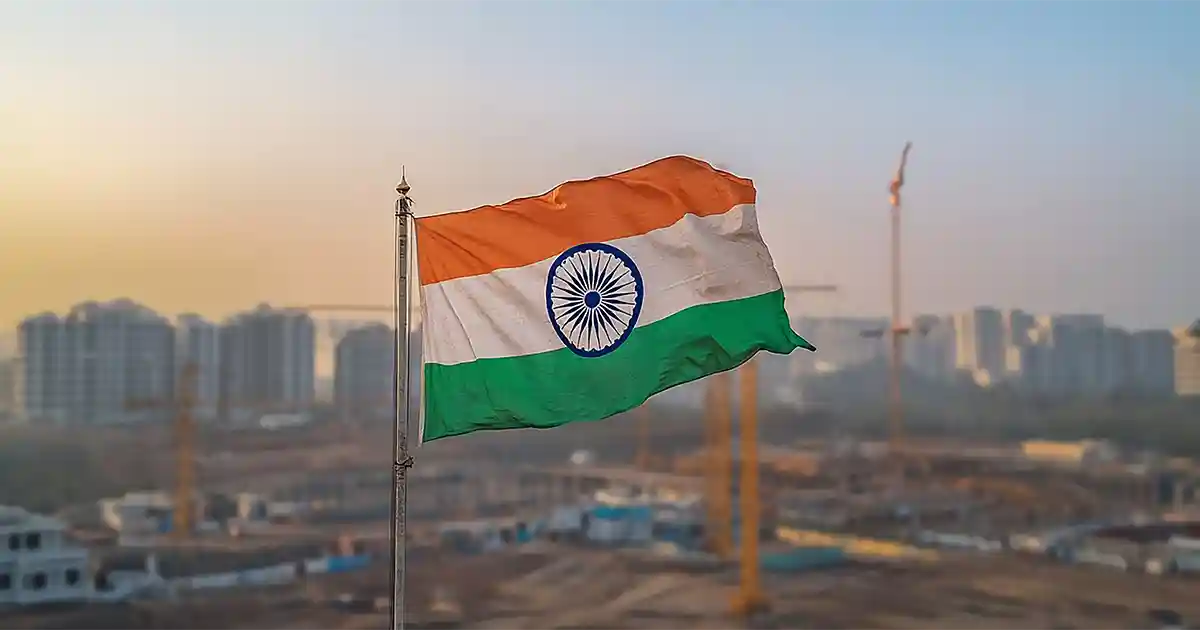
IS 1 is the Bureau of Indian Standards specification for the material, colour, proportion and construction of the Indian national flag. It sets out the exact shade requirements for India saffron, white and India green, the 2 to 3 width to length ratio, the design of the 24 spoke Ashoka Chakra at the centre, and nine standard sizes ranging from a small 150mm by 100mm table flag up to a 450mm by 300mm size used on VVIP aircraft.
Certification under IS 1 is currently voluntary. As of the standard's own reporting in August 2026, only six manufacturers across the country hold an active licence to produce flags certified under this mark.
What exactly is changing
The revision touches two major areas of the standard.
- Much larger flag sizes: The current standard tops out at 6,300mm by 4,200mm for the largest listed size. The revision introduces provisions for flags as large as 9,000mm by 6,000mm, intended for use at expos, major international events and large public installations rather than everyday display.
- Updated colour measurement: BIS is reviewing the trichromatic coordinates and brightness percentages used to define India saffron, white and India green, bringing the colour verification method in line with how colour measurement is done today rather than the methods available when the standard was last set in 1968.
The flag's core identity, its proportions, its colours in appearance, and the Ashoka Chakra's design, is not changing. What's changing is the range of sizes permitted and the technical method used to confirm a flag's colours actually meet the standard.
Why the khadi standards, IS 300 and IS 400, matter here too
The Flag Code of India specifies that the national flag must, for certain official uses, be made of hand spun and hand woven khadi. IS 300 governs silk khadi flags and IS 400 governs wool khadi flags, and both are being revised at the same time as IS 1.
This matters because khadi flags are the ones typically used by government offices, defence establishments and diplomatic missions, exactly the buyers who care most about strict compliance. Any change to these two standards affects the supply chain for that entire category of institutional buyer.
Why BIS is doing this now
Two practical pressures appear to be driving the timing. Large scale public flag installations, at airports, monuments, expos and major sporting and cultural events, have grown steadily more common in India over the past decade, and the current 6,300mm by 4,200mm ceiling doesn't officially accommodate the true monumental flags many institutions now want to install.
At the same time, colour measurement technology has moved well past what was available when the standard was last revised in 1968. Updating the trichromatic and brightness benchmarks brings certification testing in line with modern instruments, which should make the certification process more precise and consistent across licensed manufacturers.
What this means if you manufacture, certify or buy national flags
If you manufacture flags at scale, larger format sizes becoming officially standardised opens a legitimate certified category for monumental flag orders that previously sat outside the formal specification. If you're a government body, school, corporate office or event organiser planning a large scale flag installation, it's worth waiting for the finalised standard before locking in a size above the current 6,300mm by 4,200mm ceiling, since that size range is exactly what's being formally defined.
If you already hold IS 1 certification, expect a re-verification step once the revised colour measurement method is published, since your existing colour test results were generated under the outgoing methodology. We're tracking this revision directly and will update our own certification documentation the moment BIS publishes the finalised standard.
Frequently asked questions
Is this the first time the Indian national flag standard has been revised?
No. IS 1 was first notified in 1951 and has been revised in 1964 and 1968 before this current revision, which is its fourth major update.
What is the biggest size a national flag can be made under the new standard?
The revision introduces provisions for flags as large as 9,000mm by 6,000mm, well above the current standard's largest listed size of 6,300mm by 4,200mm.
Will the flag's colours or design change under the revised standard?
No. The flag's proportions, its saffron, white and green colours, and the 24 spoke Ashoka Chakra design remain the same. What's changing is the technical method used to measure and verify those colours during certification.
Is IS 1 certification mandatory for manufacturers?
Certification under IS 1 is currently voluntary. As of August 2026, six manufacturers hold an active licence under the standard.
What are IS 300 and IS 400?
IS 300 covers silk khadi national flags and IS 400 covers wool khadi national flags. Both are being revised alongside IS 1 as part of the same update.
When will the revised standard be finalised?
BIS had not published a finalized timeline as of this update. We're monitoring the revision and will update this page as soon as the finalised specification is released.
Wrap up
A revision like this doesn't happen often, IS 1 has only been touched three times in almost seventy five years. Whether you manufacture flags, certify them, or simply want to be sure the flag you're buying for an institution meets the current legal standard, it's worth paying attention to how this plays out over the coming months.
We're an IS certified manufacturer based in Connaught Place, New Delhi, and we'll be updating our documentation and product range as soon as the revised standard is finalised.
Browse our IS certified national flag range at www.flagwale.com or WhatsApp us at +91 98113 04329 for the latest certification status on any order.